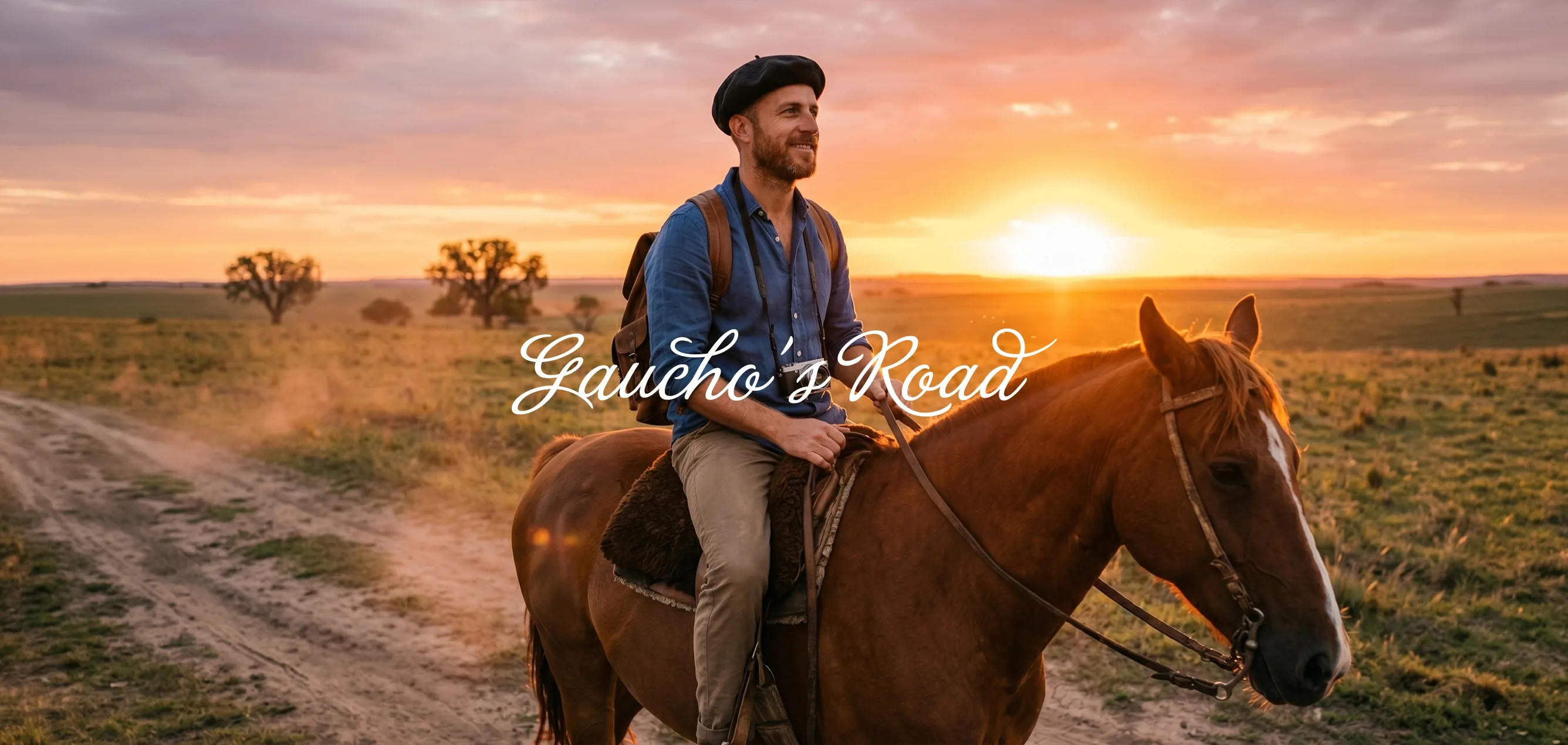
Excellent service. Indistinguishable brand. A family-run city tour competing on price against mass tour agencies — when its real customer wasn't even looking in that aisle.
Camino Pampa was born in San Antonio de Areco, the symbolic capital of the gaucho. Its founders are from the town: they know every estancia, every story, every back road. The service was outstanding. The brand was not.
They were competing in the same shelf as mass tour agencies selling the same thing at discount prices. Their product was superior, but the communication made them look identical. Growth depended on word of mouth — a low ceiling, a local-priced average ticket, and zero ability to scale.
The customer they actually wanted wasn't in the discount aisle. They were in London, New York, Berlin: cultured travelers with purchasing power, hungry to understand Argentine idiosyncrasy, allergic to anything that smelled like a tourist trap. That customer was never going to find them — not because the product wasn't real, but because the brand wasn't speaking their language.
The problem was positioning, not service.
The gaucho isn't a costume. It's heritage. And heritage sells at a premium.
Before touching a typeface, we mapped how the premium foreign traveler understands "argentinidad". Their mental model is three words: tango, football, gaucho. But the gaucho, in their imagination, lives somewhere between the indigenous and the cowboy — picturesque, exotic, decorative. Our job was to rewrite that reading.
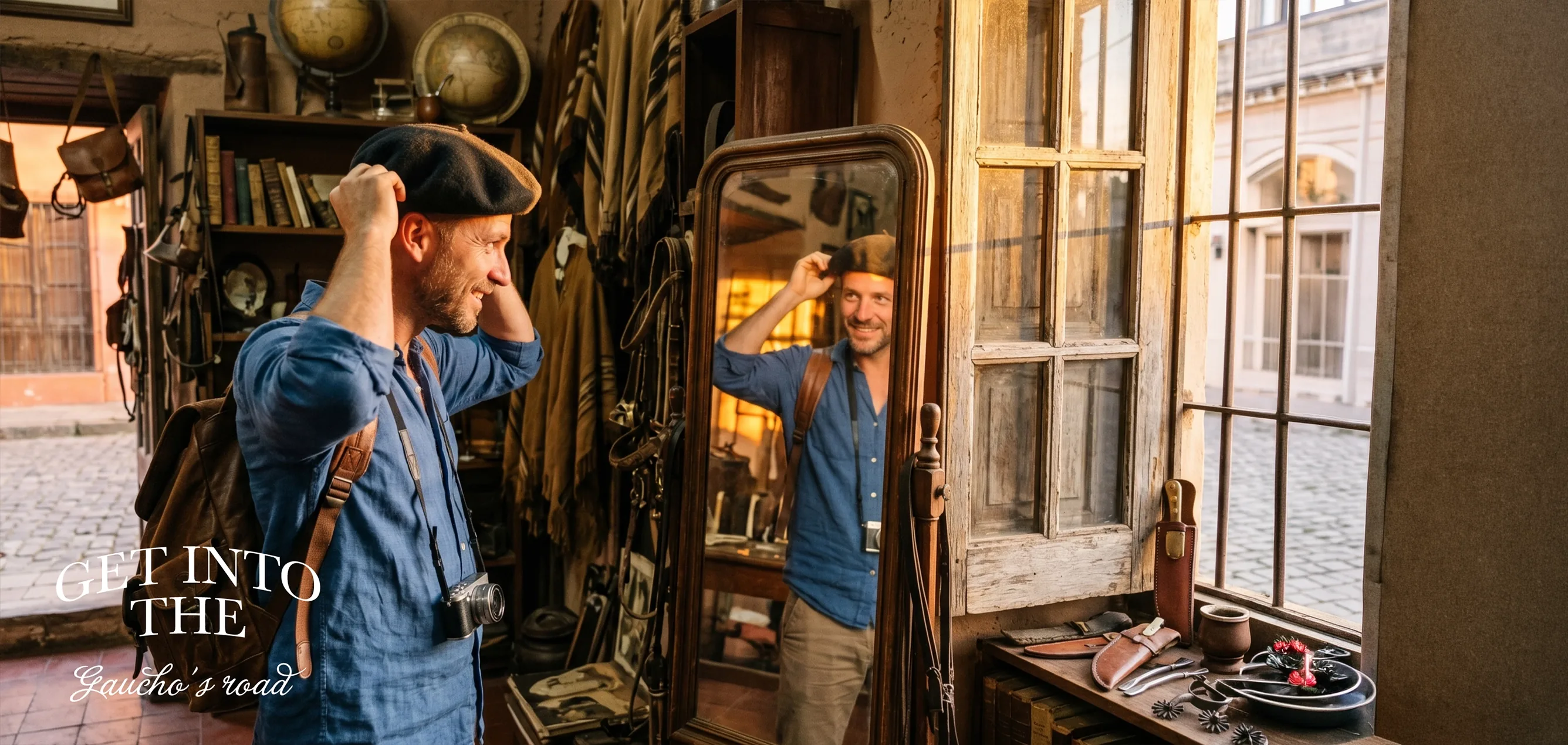
Camino Pampa had to stop competing with the discount city tour and plant itself in the one place local competition couldn't enter: the elegance of tradition. The gaucho as a figure of craft, code and refinement — closer to a Pampean samurai than to a postcard character.
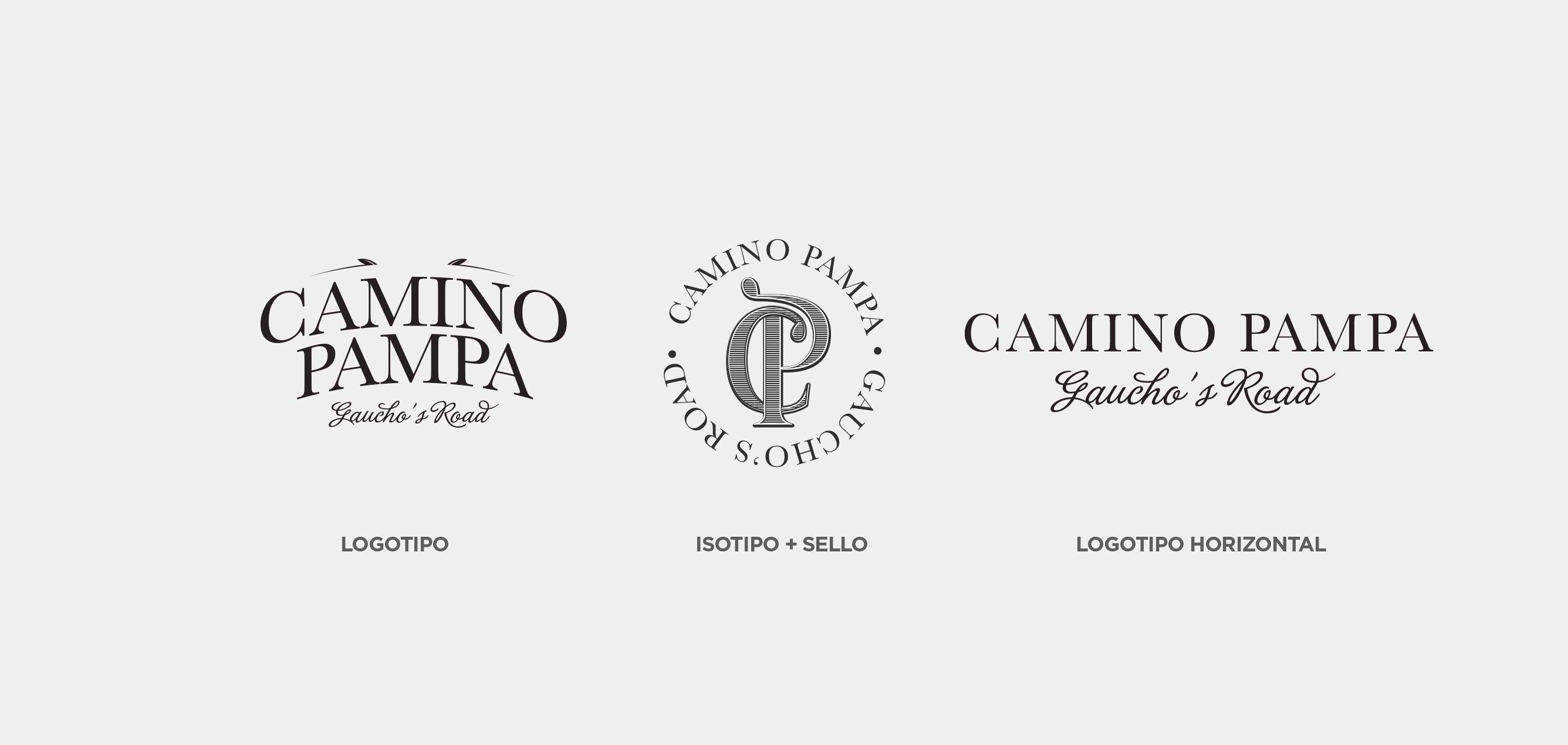
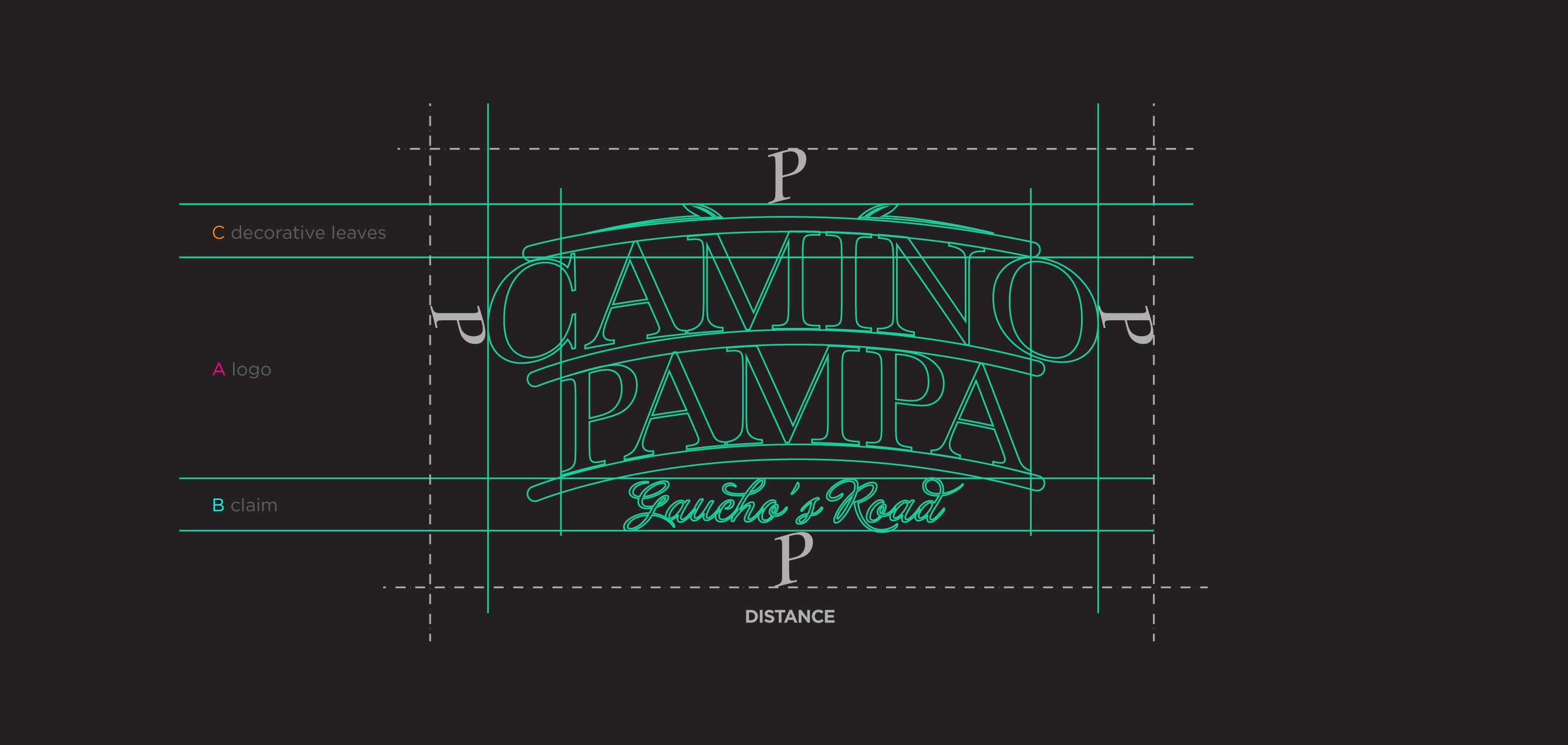
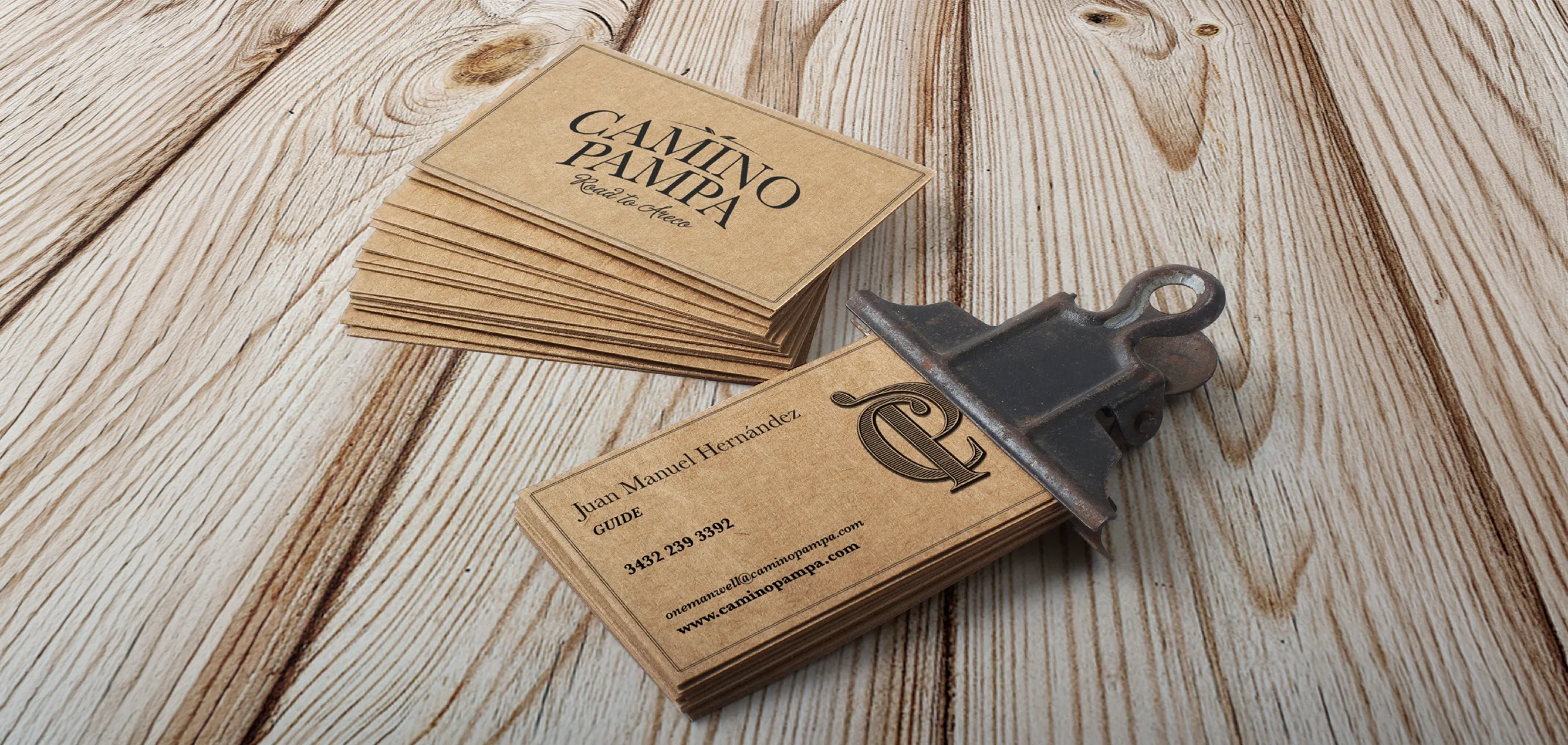
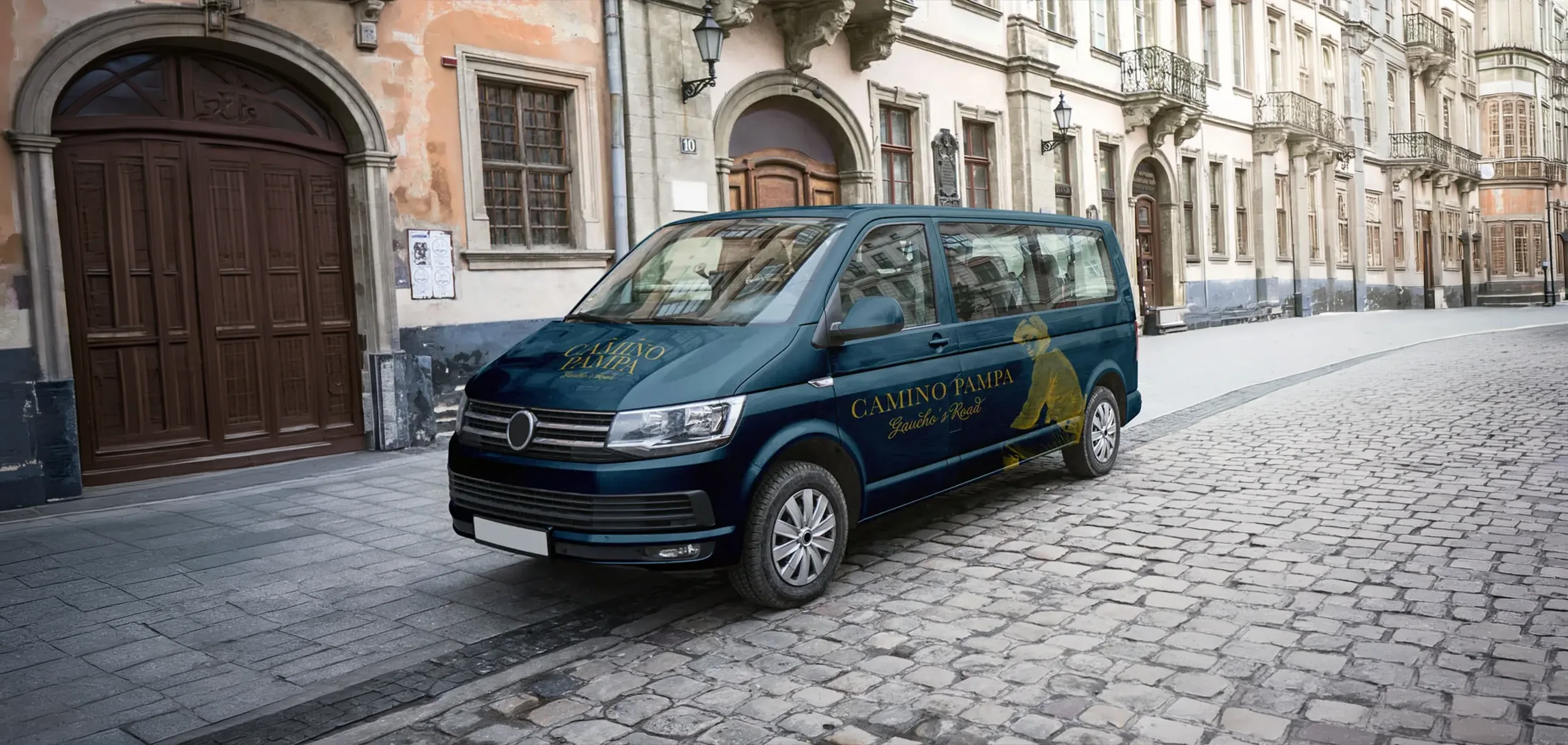
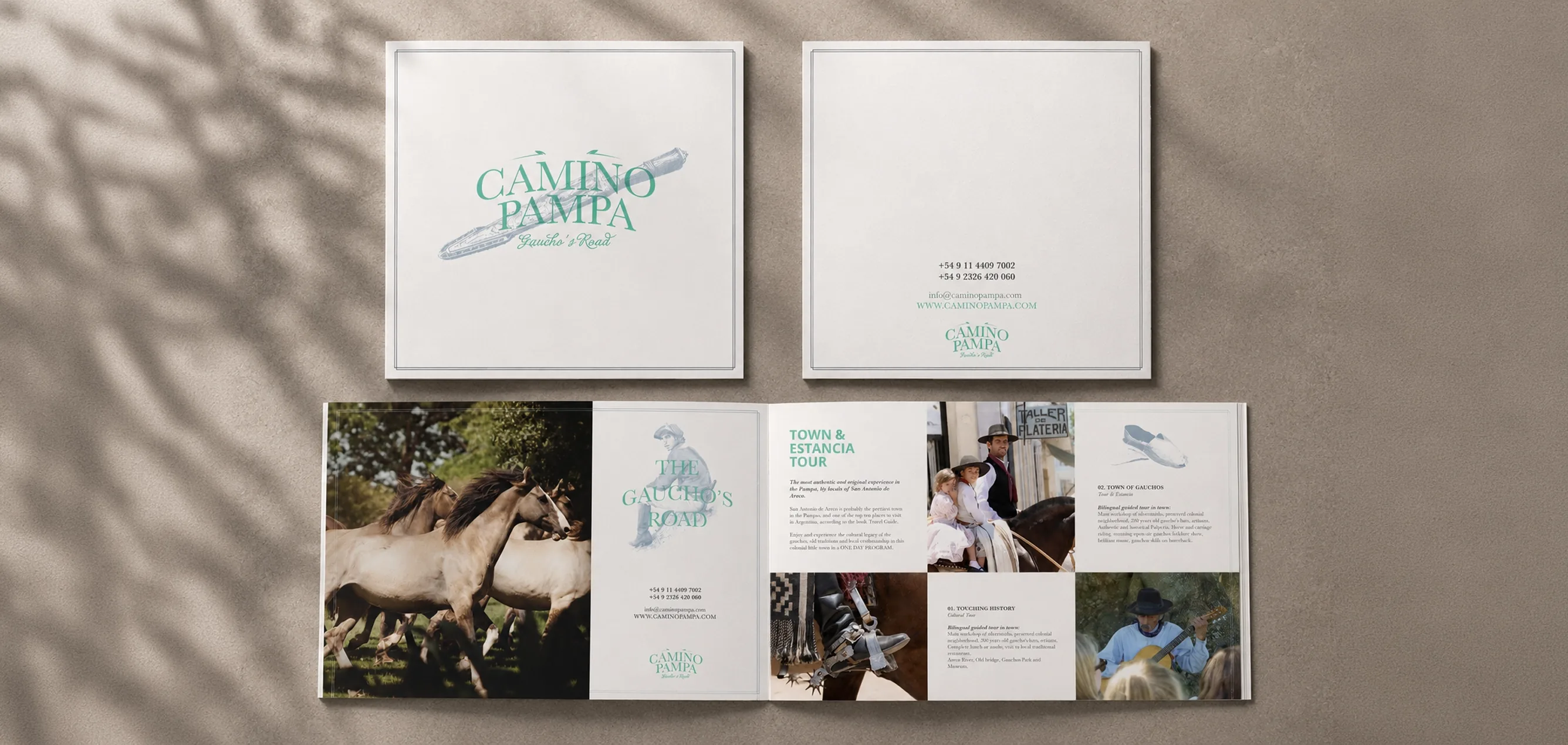
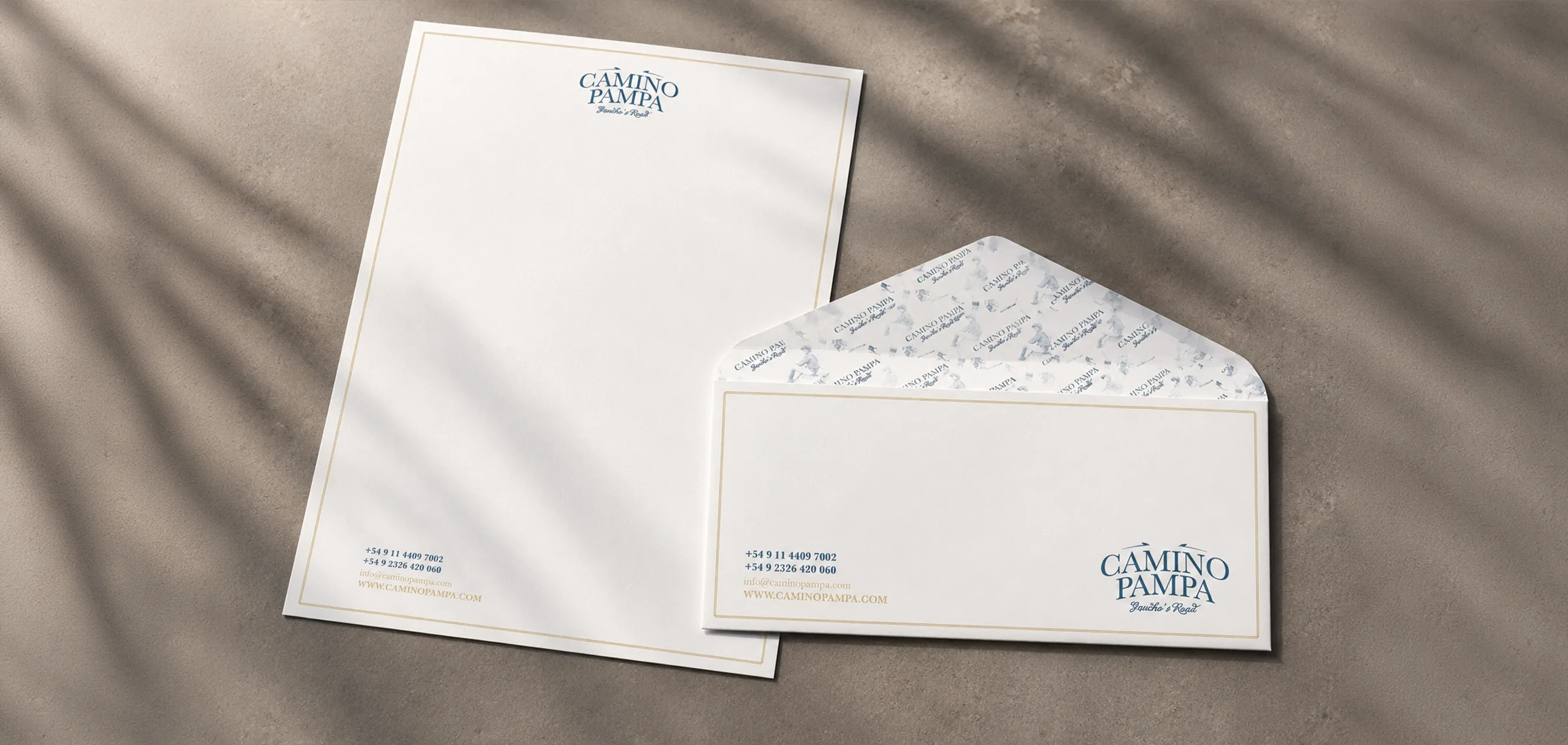
La yerra — the cattle-branding ritual — and gaucho silverwork: two languages that speak of craft, belonging and status. We worked the name as a brand mark drawn with the precision a silversmith applies to a facón. Membership, craft, identity — in a single graphic.
Baskerville (1757, English, classic) to anchor the prestige the European reader recognises on sight. La Porteña de la Boca, by Ale Paul / Sudtipos, to return the Argentine accent without slipping into cliché. One European backbone, one Argentine voice — same conversation.
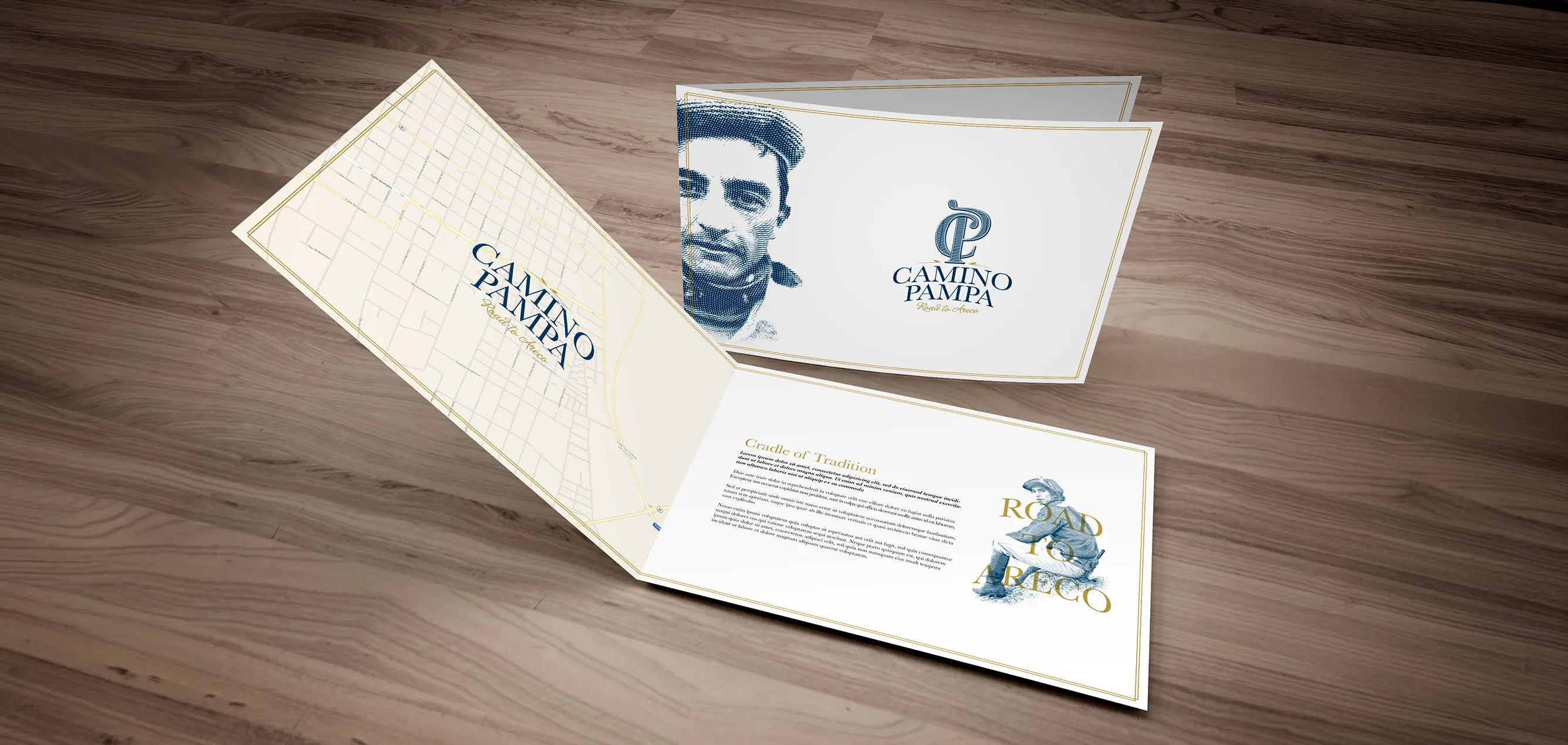
The repositioning pulled Camino Pampa out of the discount city-tour aisle and planted it as the recognisable heritage-tourism reference in San Antonio de Areco. They stopped competing against local agencies and started operating in a universe where the comparison is with European boutique tours. That's what the brand was built to do.
I keep it as my reference for best practices in branding. We scaled naturally, almost without noticing — when we looked back, we were already where we wanted to be.